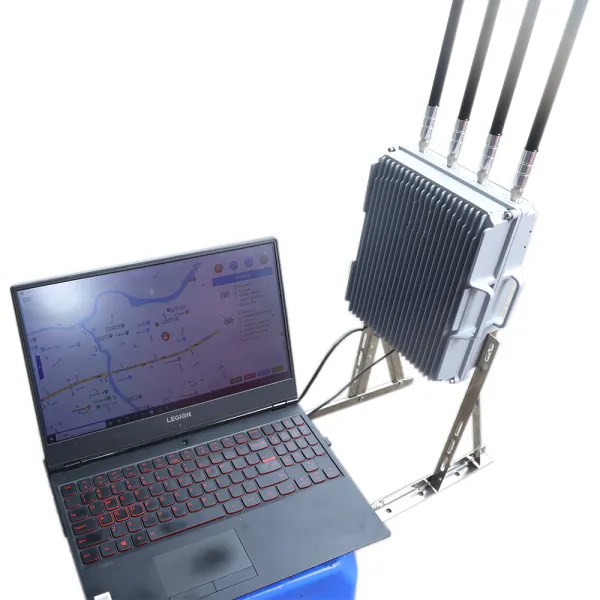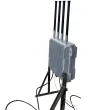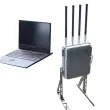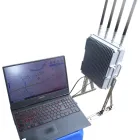
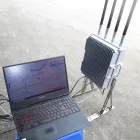
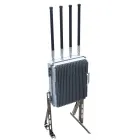
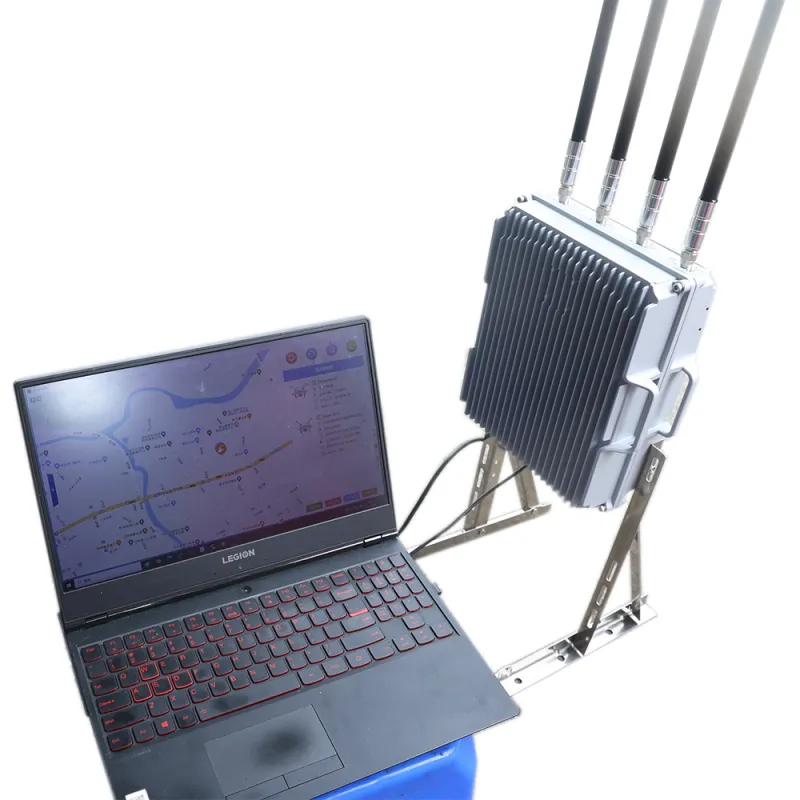
| place of origin: China | Certification: Ce,Fcc,Rohs | Frequency: 900MHz, 2.4GHz, 5.2GHz, 5.8GHz | Detection range: 1-6 km (depending on surrounding environment) | Coverage: 360° full coverage | Drone group detection: ≥ 5 drones | Positioning accuracy: 10 meters | External power supply: AC or DC selectable | Power consumption: ≤ 100W | Storage temperature: -40°C to 70°C | Operating temperature: -20°C to 45°C | Drone detection: various consumer-grade drones, DJI, AUTEL,PARROT, Wi-Fi, FPV |
| Type of Shipping | Ocean,Land,Air,Express |
| Shipping Port | Shenzhen |
| Supply Capacity | 2000000 |
| Packaging Method | box |
| Production | 200000 |
| Country of Origin | china |
| Brand | Yetnorson |
| Quality/safety certification | CE/FCC/ROHS/ISO |
Drone Detector What technology does it use to detect drones?
1. Radar system: Radar is a commonly used technology. Most of the things related to receiving and transmitting signals are based on radar technology. Drone Uav Detector will also emit radio waves to the drone, and the drone will reflect the radio back. Wave, Drone Detector Radar receives the wireless signal reflected back from the drone to determine the existence information of the drone.
2. Sound detection: Usually technicians will install sound detection technology on Drone Detector System. When the sound of drone flight reaches Portable Drone Detector, an alarm will sound. But the flying distance of the drone is too high, and Drone Detector cannot receive the sound.
3. Radio spectrum detection: The drone will emit wireless signals during flight, and Drone Uav Detector will also emit radio signals. After the two radios collide, they will be reflected to Drone Uav Detector, thereby determining the drone. s position.